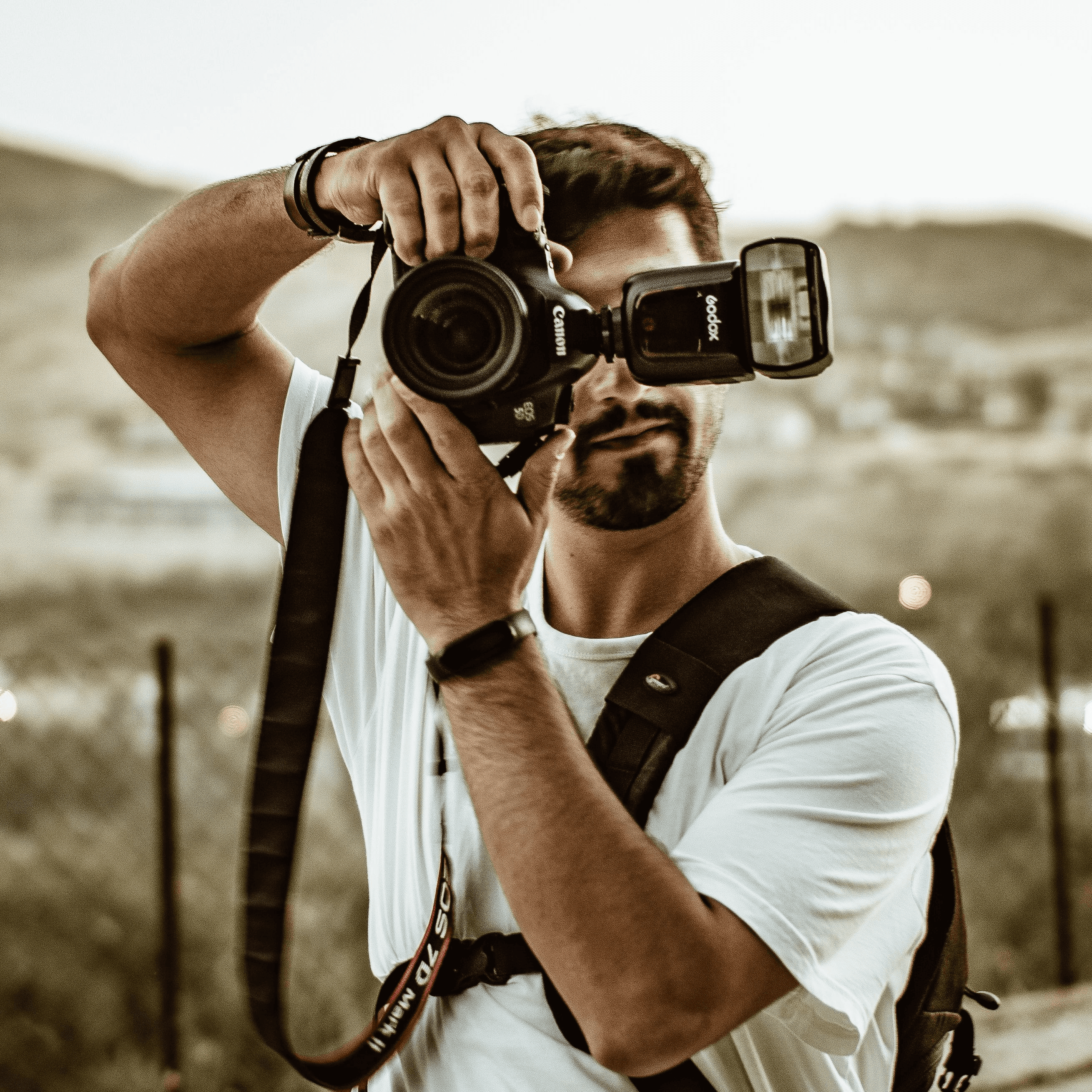
DSLR vs Mirrorless Cameras: Which One Should Beginners Buy?
Choosing between a DSLR and a mirrorless camera depends on your budget, goals, and shooting style. DSLRs offer excellent battery life, affordability, and access to a large selection of lenses, making them a strong option for beginners on a budget. Mirrorless cameras, however, provide better autofocus, superior video features, lighter designs, and greater long-term value. For most new photographers and content creators, mirrorless cameras are the more future-proof choice, while DSLRs remain a cost-effective way to learn photography and develop skills.

Johna Homings
Film University Professor
Featured

Choosing between a DSLR and a mirrorless camera is one of the biggest decisions beginner photographers face. Both systems have advantages, but the right choice depends on your needs and budget.
What is a DSLR?
DSLR cameras use a mirror mechanism and optical viewfinder. They have been the industry standard for years and are known for battery life and lens selection.
What is a Mirrorless Camera?
Mirrorless cameras remove the mirror system entirely and use electronic viewfinders or LCD screens. They are more compact and increasingly dominate the modern camera market.
DSLR Advantages
Better battery life
Often cheaper for beginners
Large used market
Excellent lens ecosystems
Mirrorless Advantages
Smaller and lighter
Better autofocus technology
Superior video features
Faster burst shooting
Real-time exposure preview
Which is Better for Beginners?
For most modern beginners, mirrorless cameras are the better long-term investment because manufacturers are focusing heavily on mirrorless systems.
However, DSLR cameras still offer incredible value for budget-conscious buyers.
Best DSLR Beginner Options
Canon 200D II
Nikon D5600
Canon 1500D
Best Mirrorless Beginner Options
Sony ZV-E10
Canon R50
Fujifilm X-S20
Final Verdict
If your focus is photography on a budget, DSLRs are still excellent. If you want better video, portability, and future-proofing, mirrorless is usually the smarter choice.
3. How to Shoot Better Photos at Night Without Expensive Gear
Night photography is one of the most challenging areas for beginners. Low light creates noise, blur, and focusing problems. Fortunately, you do not need expensive equipment to improve your results.
1. Use a Faster Shutter Speed Carefully
Slow shutter speeds help capture more light but can introduce blur. If shooting handheld, avoid going below 1/60 unless your camera has stabilization.
2. Increase ISO Moderately
Higher ISO helps brighten images, but excessive ISO creates noise. Try balancing ISO with available lighting instead of maxing it out immediately.
3. Use Available Light Sources
Streetlights, shop signs, headlights, and neon lighting can create dramatic compositions without requiring professional lighting gear.
4. Stabilize Your Camera
Even basic stabilization helps significantly during low-light shooting. A tripod or stable surface can dramatically improve sharpness.
5. Shoot in RAW
RAW files preserve much more detail, allowing better recovery during editing.
6. Learn Manual Focus
Autofocus struggles at night. Manual focus often produces more reliable results in dark environments.
7. Avoid Overediting
Many beginners push brightness and sharpness too far during editing, creating unnatural-looking images.
Best Subjects for Night Photography
Streets
Cars
City skylines
Portraits with neon lighting
Architecture
Rain reflections
Final Thoughts
Night photography is more about understanding light than owning expensive gear. Practice observing how light behaves in different environments.